
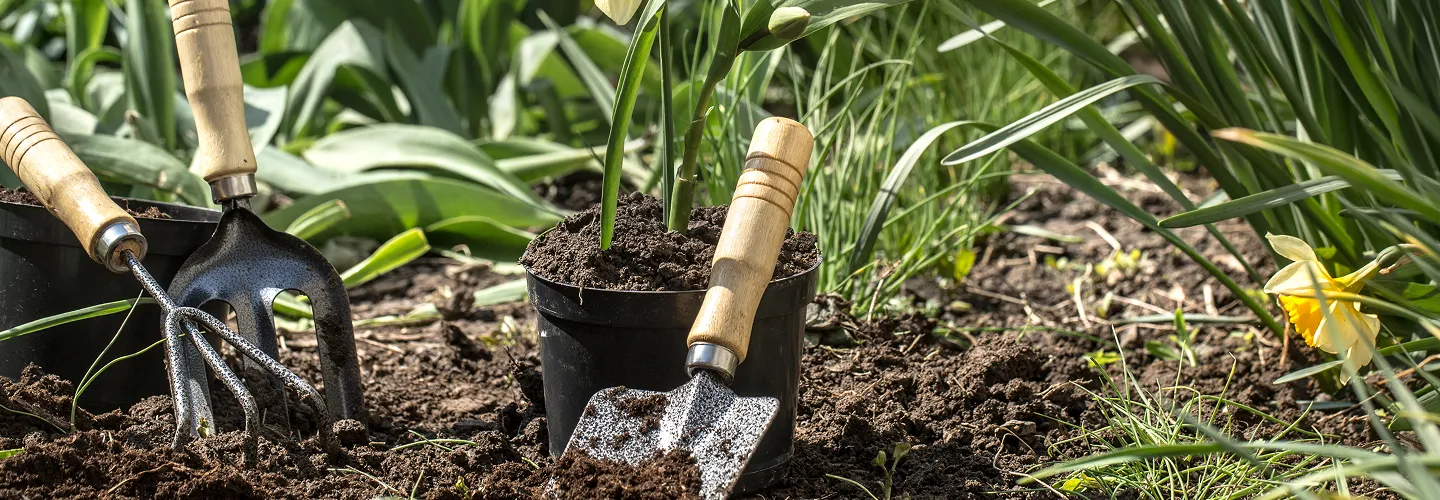
Marshallville Flower Planting Services
Choose our flower planting services for vibrant, healthy blooms that enhance your home's curb appeal and create a welcoming outdoor space, all handled by experienced professionals who care about your satisfaction.
Get a Free QuoteOur Marshallville Landscaping & Yard Care Services
When to Schedule Flower Planting in Marshallville, Georgia – Seasonal Guide
In Marshallville, Georgia, timing your flower planting is crucial for vibrant, long-lasting blooms. The region’s mild winters and hot, humid summers mean that early spring and late fall are generally the best times to plant most annuals and perennials. Local neighborhoods like the historic downtown district and areas near the Flint River often experience unique microclimates, so it’s important to consider your specific location. For example, properties near the Marshallville City Park may benefit from slightly cooler temperatures and more shade, while homes closer to open farmland might face higher sun exposure and wind.
Key environmental factors such as the last frost date—typically in late March—should guide your planting schedule. Marshallville’s clay-rich soils retain moisture but can become compacted, so proper soil preparation is essential. Be mindful of drought risk during late summer, and consider the impact of tree canopy coverage in established neighborhoods like Peach Avenue. For more information on local planting guidelines and municipal restrictions, visit the official city resource.
Local Factors to Consider for Flower Planting in Marshallville
- Proximity to large shade trees or dense woodland areas
- Soil composition and drainage, especially in older neighborhoods
- Average precipitation and risk of summer drought
- Frost dates and seasonal temperature swings
- Terrain slope and risk of water runoff
- Local ordinances or municipal restrictions on landscaping
Benefits of Flower Planting in Marshallville
Enhanced Curb Appeal
Increased Property Value
Seasonal Color Variety
Expert Plant Selection
Low Maintenance Solutions
Eco-Friendly Landscaping
Marshallville Flower Planting Types

Perennial Flower Beds
Perennial flower beds offer long-lasting color and require minimal replanting each year.
-
Annual Flower Displays
Annual flower displays provide vibrant seasonal color and can be changed each year for variety.
-
Native Wildflower Gardens
Native wildflower gardens support local pollinators and thrive in the Marshallville climate.
-
Shade Garden Plantings
Shade garden plantings feature flowers that flourish in low-light areas of your landscape.
-
Container Flower Arrangements
Container flower arrangements add flexibility and beauty to patios, decks, and entryways.
-
Pollinator-Friendly Plantings
Pollinator-friendly plantings attract bees, butterflies, and hummingbirds to your garden.
-
Seasonal Bulb Plantings
Seasonal bulb plantings ensure bursts of color in spring and fall with minimal maintenance.
Our Flower Planting Process
Site Evaluation
Soil Preparation
Flower Selection
Planting
Watering and Mulching
Why Choose Marshallville Landscape Services
-
Marshallville Homeowners Trust Us
-
Expert Lawn Maintenance
-
Reliable Scheduling
-
Competitive Pricing
-
Professional Team
-
Satisfaction Guarantee
-
Personalized Service
Marshallville's Middle Georgia Soils and Bed Preparation for Flower Planting
Marshallville sits in the Middle Georgia region within USDA Hardiness Zone 8b, where the growing season extends roughly from mid-March through mid-November. The area's predominant soils belong to the Tifton and Orangeburg series—well-drained sandy loams over sandy clay subsoils that are characteristically acidic, often registering a pH between 5.0 and 6.0. Before installing flower beds, property owners should conduct a soil test through the UGA Cooperative Extension to determine exact pH and nutrient levels. Successful bed preparation in Marshallville typically requires:
- Incorporating 2–4 inches of composted organic matter to improve moisture retention in sandy loam soils
- Applying dolomitic lime if soil pH falls below 5.5, as most annual and perennial flowers perform best between 6.0 and 6.5
- Tilling to a depth of 8–10 inches to break through compacted sandy clay layers
- Verifying drainage by observing water infiltration after heavy rain, since Tifton-series soils can develop hardpan at the subsoil interface
Soil data for specific parcels can be confirmed through the USDA Web Soil Survey.
Optimal Planting Windows for Marshallville's Extended Warm Season
Marshallville's long frost-free period—typically spanning 230 or more days—provides two primary planting windows for flower installations. The National Weather Service Peachtree City forecast office covers Macon County, and historical data indicates the average last spring frost falls near mid-March, with the first fall frost arriving in mid-November. Residents should plan flower planting around these seasonal benchmarks:
- Spring annuals (petunias, marigolds, zinnias): install after the last frost date, generally late March through April, once nighttime temperatures consistently exceed 50°F
- Fall annuals (pansies, ornamental kale, snapdragons): plant from mid-October through early November for color through winter
- Perennials (coneflowers, black-eyed Susans, lantana): establish in early spring or early fall when soil temperatures range between 55°F and 70°F, allowing root development before summer heat stress
- Summer-blooming bulbs (cannas, gladiolus, dahlias): plant after soil temperatures reach 60°F, typically by mid-April
Avoid planting during peak summer heat in July and August, when soil temperatures can exceed 90°F and transplant shock rates increase significantly.
Selecting Heat-Tolerant and Native Flower Species for Macon County Landscapes
Plant selection in Marshallville must account for sustained summer temperatures frequently exceeding 95°F, high humidity, and periodic drought conditions common across Macon County. The UGA Cooperative Extension recommends prioritizing species adapted to Middle Georgia's climate and acidic sandy loam soils. Property owners and managers should consider the following categories when planning flower installations:
- Native perennials: Georgia aster (Symphyotrichum georgianum), coral honeysuckle (Lonicera sempervirens), and butterfly weed (Asclepias tuberosa) tolerate local heat and support native pollinators
- Proven warm-season annuals: vinca (Catharanthus roseus), pentas, and angelonia withstand sustained heat without significant decline
- Drought-tolerant selections: blanket flower (Gaillardia), salvia, and coreopsis require minimal supplemental irrigation once established
- Shade-adapted options: impatiens, caladiums, and coleus perform well under mature pecan and oak canopies common on older Marshallville properties
Residents should avoid invasive species listed by UGA Extension's Invasive Species program, including Chinese privet and Japanese honeysuckle, which can escape cultivated beds and colonize adjacent natural areas.
Protecting Marshallville's Water Quality During Flower Bed Installation and Maintenance
Flower planting activities—particularly soil disturbance, mulching, and fertilizer application—can contribute sediment and nutrient runoff to local drainage systems. Marshallville lies within the Flint River watershed, and exposed soil from bed preparation can wash into roadside ditches and drainage swales that ultimately feed into area creeks. The Georgia EPD Watershed Protection Branch oversees water quality standards that apply to all land-disturbing activities, and property owners should take practical precautions:
- Apply 2–3 inches of mulch immediately after planting to stabilize exposed soil and reduce sediment transport
- Use slow-release or organic fertilizers rather than water-soluble formulations that are more prone to leaching through Marshallville's sandy loam soils
- Avoid applying fertilizer or soil amendments within 25 feet of drainage ditches, stormwater inlets, or creek banks
- Direct irrigation water onto beds rather than onto impervious surfaces where it can carry nutrients into storm drains
Residents can review the city's annual drinking water data through the City of Marshallville Water Quality Reports to understand local water resource conditions. Any large-scale bed installation that disturbs more than one acre of land may trigger Georgia's erosion and sedimentation control requirements under Georgia EPD.
How Macon County Zoning and Property Standards Affect Flower Bed Placement
Before establishing new flower beds, Marshallville property owners should verify that planned installations comply with local property maintenance standards and zoning requirements. The Macon County Zoning Commission administers land-use regulations that may affect bed placement near property lines, rights-of-way, and utility easements. Key considerations include:
- Maintaining clear sightlines at intersections and driveway aprons—flower plantings should not exceed 30 inches in height within sight triangles along public roadways
- Avoiding placement of beds over underground utility lines; property owners should contact Georgia 811 (dial 811) before any digging to have utility lines marked
- Confirming that raised beds or border structures do not encroach into public rights-of-way or drainage easements
- Ensuring that plantings along frontage areas comply with any applicable nuisance vegetation or property maintenance codes under Macon County Codes and Ordinances
For questions about setbacks, easements, or permitted structures associated with flower bed installations, property owners may contact the zoning office directly.
Macon County Zoning Commission
121 Sumter Street, Oglethorpe, GA 31068
Phone: (478) 472-8052
Official Website: Macon County Zoning Commission
What Neighborhoods Do We Serve Throughout Marshallville, GA?
- Downtown Marshallville: Older residential lots with mature pecan and oak canopy create significant shade conditions requiring shade-tolerant flower selections. Compacted soils from decades of development may need deep amendment before planting.
- Highway 49 Corridor: Properties along this main corridor face higher visibility expectations and may be subject to frontage maintenance standards. Sandy loam soils here typically drain quickly, requiring mulch and irrigation planning for flower bed establishment.
- East Marshallville Residential Area: Modest lot sizes with mixed sun exposure characterize this area. Proximity to roadside drainage ditches requires attention to sediment and fertilizer runoff during bed installation.
- Peach Orchard District and Rural Edges: Larger agricultural-transition properties on Marshallville's outskirts feature open sun exposure and deep Tifton-series sandy loams well suited to native wildflower plantings and pollinator gardens.
- Parks and Recreation Adjacent Properties: Homes near Marshallville's municipal park areas benefit from community green space but should coordinate any plantings near public boundaries with the City of Marshallville Parks and Recreation department to avoid encroachment or maintenance conflicts.